

The Pygmy Corydoras (Corydoras pygmaeus) is one of the smallest and most charming schooling catfish available in the freshwater aquarium hobby. Unlike larger bottom-dwelling corydoras, these miniature catfish spend a significant portion of their time actively hovering and schooling mid-water among plant leaves. Reaching a maximum adult size of roughly one inch (2.5 cm), Pygmy Cories add vibrant motion to nano setups and peaceful community planted aquariums.
Origin & Natural Habitat
Native to South America, Pygmy Corydoras inhabit the Madeira River basin and associated tributaries, floodplains, and backwaters across Brazil and Peru. In nature, they thrive in calm, heavily vegetated, warm waters with soft, sandy bottoms covered by leaf litter and submerged wood.
Aquarium Care & Water Parameters
Pygmy Cories are hardy once established in a mature, fully cycled aquarium. They require stable water conditions with low to moderate water flow:
-
Temperature: 72°F – 79°F (22°C – 26°C)
-
pH Range: 6.4 – 7.4
-
Hardness: 2 – 12 dGH
-
Nitrates: Keep below 20 ppm with regular weekly water changes.
Tank Size & Schooling Requirements
A minimum tank size of 10 gallons is recommended for a starter group. Pygmy Cories are highly social shoaling fish and must be kept in groups of at least 6 to 8 individuals—though a group of 10 to 12 or more will dramatically increase their confidence, reduce stress, and encourage tight mid-water schooling displays.
Environment & Aquascape
-
Substrate: Fine, smooth sand is strongly recommended to protect their sensitive facial barbels from erosion or bacterial infection. Coarse, sharp gravel must be avoided.
-
Decor & Plants: Pygmy Cories appreciate dense live plantings (such as Anubias, Java Fern, and stem plants) along with driftwood and botanical leaf litter to mimic their natural biotope. Broad-leafed plants provide ideal resting ledges where they perch throughout the day.
-
Filtration: Gentle filtration (such as sponge filters or baffled hang-on-back/canister returns) ensures they are not buffeted by excessive currents.
Feeding & Diet
Pygmy Corydoras are micro-predators requiring small, sinking foods tailored to their tiny mouths:
-
High-quality crushed micro-pellets and sinking nano wafers.
-
Decapsulated brine shrimp eggs and baby brine shrimp.
-
Frozen or live cyclops, daphnia, and finely chopped bloodworms.
-
Feed once or twice daily in small quantities that can be consumed within two to three minutes.
Ideal Tank Mates
Due to their diminutive size and peaceful nature, Pygmy Cories should only be housed with calm, non-aggressive species:
-
Nano Schooling Fish: Chili Rasboras, Ember Tetras, Celestial Pearl Danios, and Neon Tetras.
-
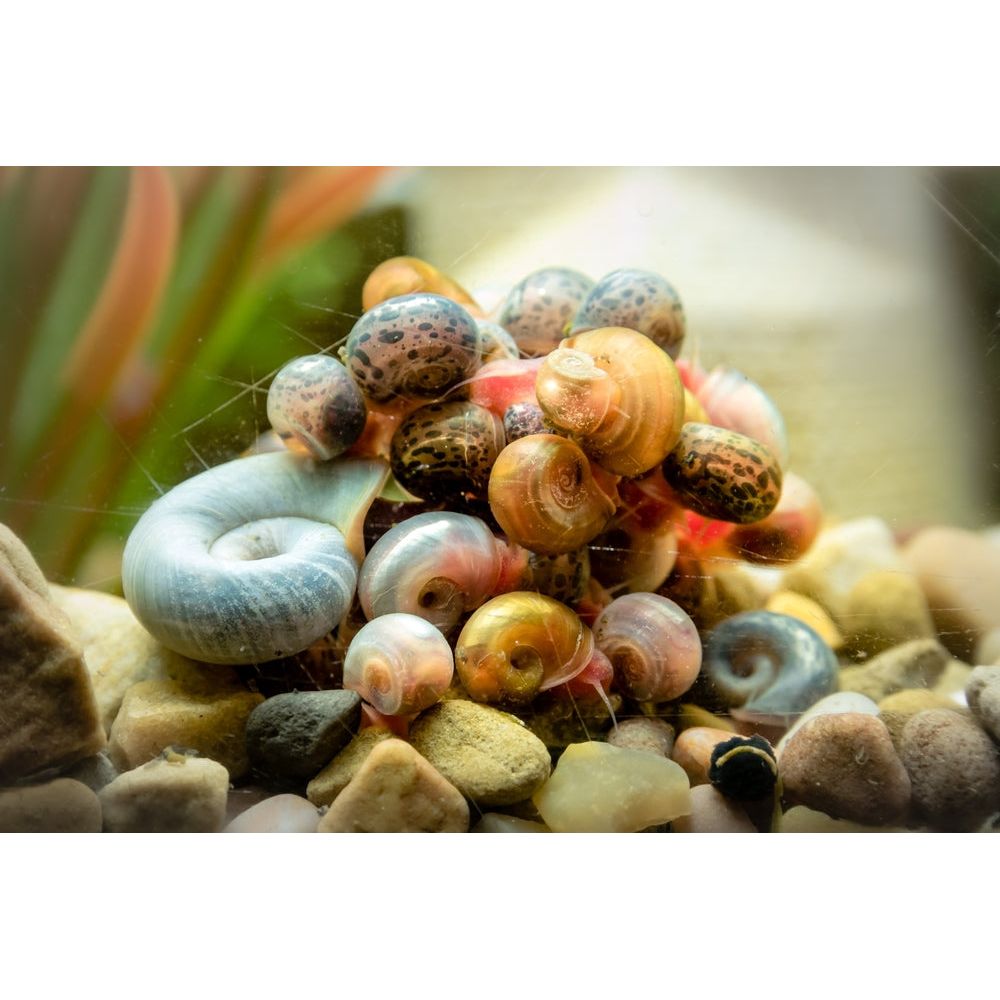
Invertebrates: Neocaridina and Caridina shrimp, Amano shrimp, and aquatic snails.
-
Surface Dwellers: Clown Killifish and Marbled Hatchetfish.
-
Avoid: Large, boisterous, or aggressive cichlids, large barbs, or predatory catfish that may view them as food.
Breeding
Pygmy Corydoras breed readily in captivity. Conditioning the school with high-protein live or frozen foods (such as baby brine shrimp) combined with a slight temperature drop during a cool water change often triggers spawning.Females deposit small adhesive eggs individually or in small clusters on fine-leaved plants like Java Moss or on aquarium glass. Adults will predate on their own eggs and fry, so removing the parents or transferring the eggs to a dedicated rearing container with an air-stone and methylene blue will yield the best survival rate.
You may also like
More from KGTropicals
Recently viewed