


Add a burst of vibrant color and lively energy to your aquascape with the stunning Strawberry Dwarf Tetra (Hyphessobrycon micropterus)! Known for their dazzling jewel-toned reddish-pink bodies and compact size, these peaceful nano fish are an absolute favorite for both beginner hobbyists and experienced aquarists looking to elevate a community aquarium setup.
Meet the Strawberry Dwarf Tetra
Place of Origin
The Strawberry Dwarf Tetra is native to South America, primarily found thriving in the slow-moving, shaded river basins and pristine forest streams of Brazil. In the wild, they inhabit areas with dense overhanging vegetation, fallen leaves, and plenty of submerged structures, which naturally colors their water with organic tannins.
Tank Size Requirements
Because they are active swimmers that must be kept in a group, the minimum recommended tank size is 10 gallons for a small school. However, a 20-gallon aquarium or larger is highly recommended to give them ample open swimming space and to help maintain stable freshwater parameters.
Water Parameters & Care
Strawberry Dwarf Tetras are relatively hardy, but they truly thrive when kept in stable, well-filtered water conditions that mimic their natural tropical habitats.
-
Water Temperature: 72°F to 80°F
-
pH Range: 6.0 to 7.5 (slightly acidic to neutral)
-
Water Hardness: 2 to 12 dGH
-
Maintenance: Perform a 10–25% weekly or bi-weekly water change using a quality aquarium water conditioner to keep nitrates low and prevent stress.
Ideal Environment & Tank Setup
To see their most intense "strawberry" coloration, provide a natural setup with a dark substrate (like black sand or dark gravel). Densely plant the background of the tank with live aquarium plants like Java Fern, Anubias, and Cryptocoryne, while leaving the center open for schooling behavior. Adding driftwood, river stones, and floating plants will diffuse bright lighting, making these shy fish feel safe and secure. Use a gentle filter—like a sponge filter or a hang-on-back filter with adjustable flow—as they dislike strong currents.
Feeding & Diet
These tropical fish are true omnivores and are exceptionally easy to feed. In the home aquarium, their daily diet should consist of high-quality micro flakes or crushed slow-sinking pellets. To encourage optimal health and vibrant colors, supplement their meals 2–3 times a week with live or frozen foods such as baby brine shrimp, daphnia, or micro-worms.
Tank Mates
The Strawberry Dwarf Tetra is an incredibly peaceful schooling fish. They must be kept in a group of at least 6 to 8 individuals; a larger school reduces stress and encourages bold, natural swimming behavior. Excellent community tank mates include:
-
Other peaceful nano fish (Neon Tetras, Ember Tetras, Harlequin Rasboras, Celestial Pearl Danios)
-
Dwarf Gouramis
-
Corydoras Catfish and Otocinclus
-
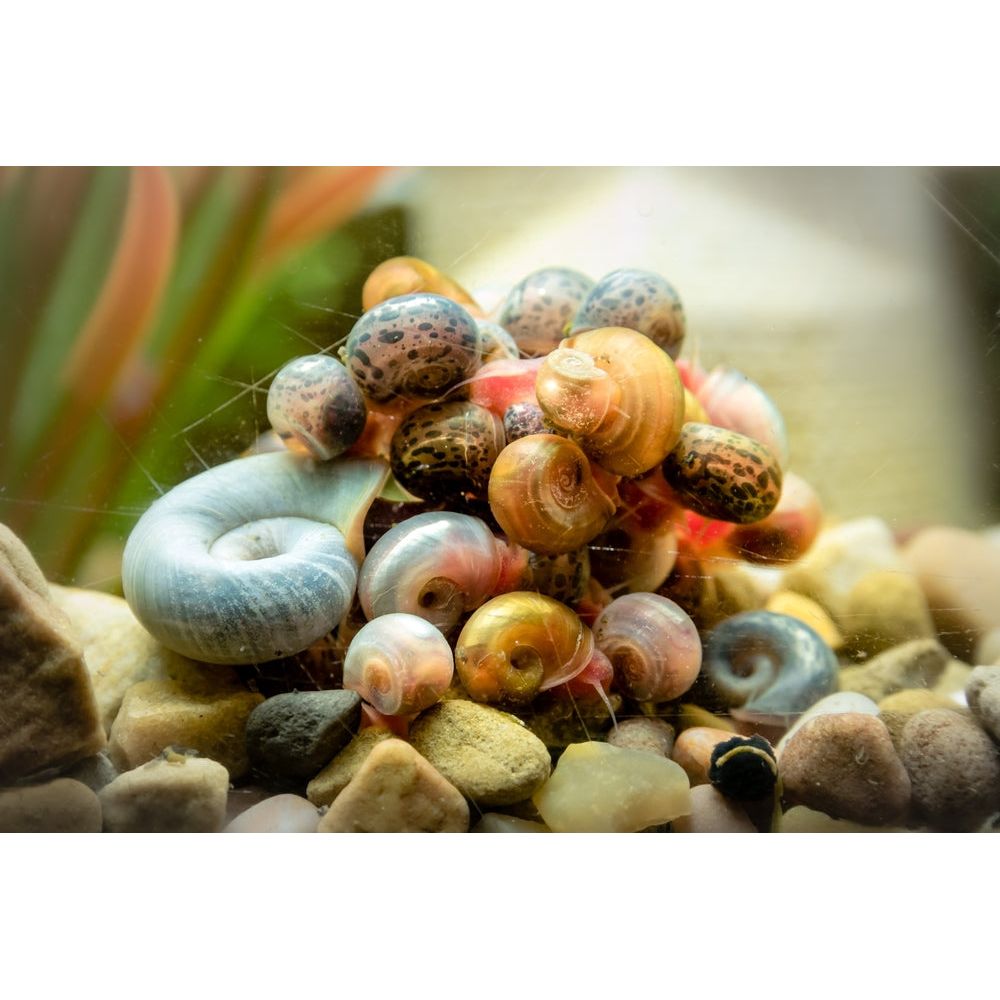
Freshwater shrimp (Cherry Shrimp, Amano Shrimp) and aquarium snails
⚠️ Warning: Avoid housing them with large, aggressive, or predatory fish (like Oscars or large Cichlids) that could easily mistake these tiny tetras for a snack.
Breeding
Breeding the Strawberry Dwarf Tetra in a home aquarium requires a dedicated breeding tank. They are egg-scatters that do not provide parental care.
-
Set up a separate small tank with very soft, slightly acidic water (pH 6.0–6.5) and a lower water temperature around 78°F.
-
Line the bottom with a spawning mat or dense clumps of Java Moss to catch the eggs.
-
Condition a pair or a small group with live foods before moving them to the breeding tank.
-
Once the female scatters her eggs and the male fertilizes them, remove the adult fish immediately, as they will eat their own eggs. The fry will hatch in 24–36 hours and can be fed infusoria or liquid fry food until they are large enough to accept baby brine shrimp.
PLEASE READ BEFORE ORDERING
- The photos shown on fish product pages are representations of adult fish and are NOT the actual fish that you will be receiving.
- Please visit our “Ordering/Shipping fish” page prior to checking out to familiarize yourself with our process.
- We ship fish exclusively using overnight shipping with either FedEx or UPS. We will not ship fish with lesser expensive shipping services like “Ground” or “Priority Mail”. This is to ensure the safety of the fish.
- Unless specified, all fish are sold as unsexed.
You may also like
More from KGTropicals
Recently viewed