



They are so active I got 6 of them but I only ever see 3 of them I hope they are just hiding out.
Bring dynamic energy, striking visual patterns, and natural pest control to your planted aquarium with the Dwarf Chain Loach (Ambastaia sidthimunki, formerly Botia sidthimunki). Famous for its unique black-and-gold ladder pattern and playful schooling behavior, this micro-loach is one of the most sought-after bottom dwellers in the freshwater aquarium hobby. Unlike larger loach species, the Dwarf Chain Loach stays compact, reaching a maximum size of just 2 to 2.5 inches, making it an ideal choice for nano aquariums and peaceful community setups.
The Dwarf Chain Loach is native to Southeast Asia, originating primarily from the Mae Klong and Chao Phraya river basins in Thailand, as well as parts of western Cambodia. In the wild, they inhabit clean, oxygen-rich, well-oxygenated rivers and flooded forest areas with moderate current, sandy substrates, and plenty of submerged roots and vegetation.
To keep your Dwarf Chain Loach healthy and active, replicate their natural stream environment:
Substrate: Use fine sand or smooth river gravel. Their delicate barbels can be injured by sharp, coarse substrates.
Aquascape: Provide abundant hiding spots using driftwood, rock caves, and dense live plants like Anubias, Java Fern, and Cryptocoryne.
Water Flow & Quality: They thrive in clean, well-filtered water with good oxygenation and light-to-moderate current. Regular water changes are essential, as they are sensitive to accumulated nitrates and organic waste.
A minimum tank size of 20 gallons is recommended for a small group. Because Dwarf Chain Loaches are energetic, social shoaling fish, they need ample horizontal swimming space. A "20-Gallon Long" or larger footprint is always preferred over tall tanks.
Dwarf Chain Loaches are enthusiastic omnivores and natural scavengers:
Daily Feeding: High-quality sinking pellets, micro-granules, and spirulina wafers.
Protein Boosts: Supplement regularly with live or frozen foods such as bloodworms, brine shrimp, daphnia, and tubifex worms.
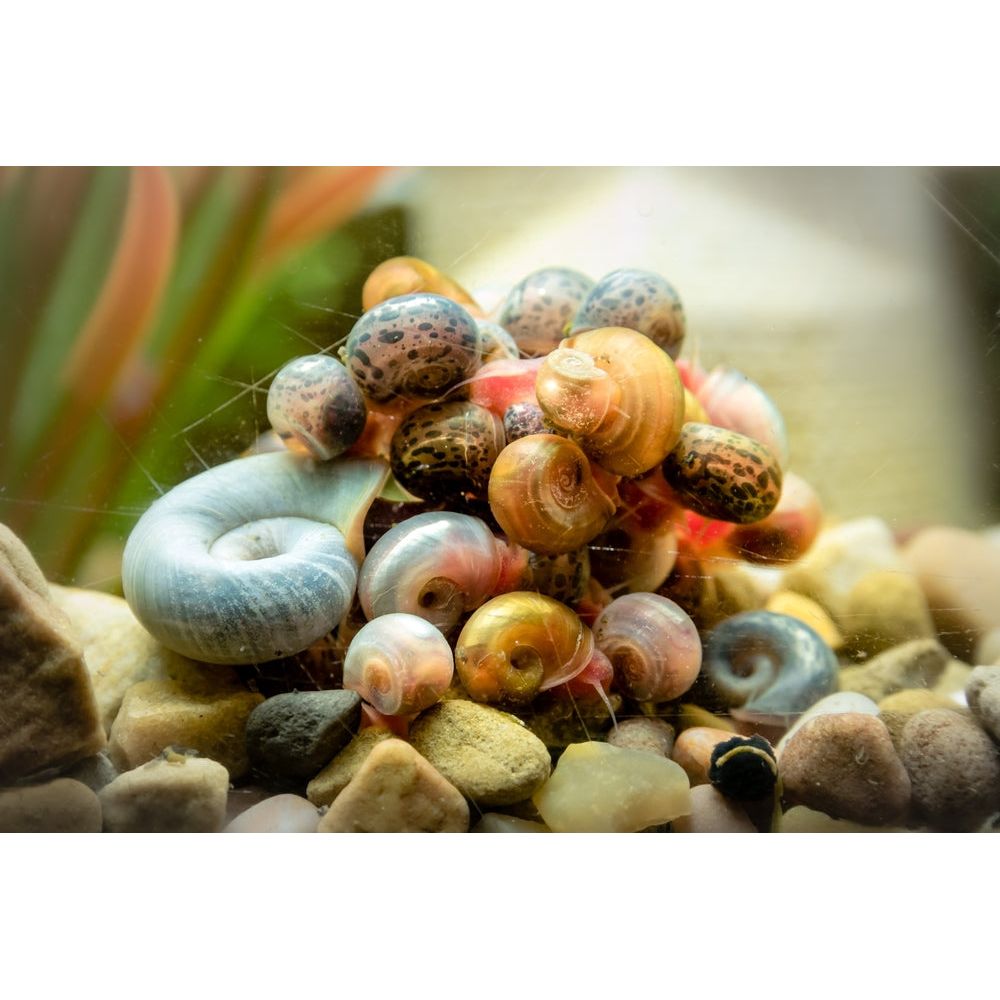
Natural Pest Control: They are renowned for consuming small nuisance snails (such as ramshorn, bladder, and pond snails), making them an effective, eco-friendly snail control solution for planted tanks.
Dwarf Chain Loaches are extremely peaceful and do exceptionally well in community tanks.
Group Size: Keep in groups of 5 to 6 minimum (8+ preferred). When kept in proper shoals, they exhibit fascinating social hierarchies and playful group swimming behavior. Single specimens often become stressed and shy.
Ideal Tank Mates: Peaceful rasboras, tetras, Danios, gouramis, peaceful dwarf cichlids (like Apistogramma), and Corydoras catfish.
Caution: Avoid housing with overly aggressive species or large predatory fish. Exercise caution if keeping with delicate dwarf shrimp (like Cherry Shrimp), as small shrimplets may be targeted as a meal.
Breeding the Dwarf Chain Loach in home aquariums is extremely rare and challenging. In nature, they are migratory spawners triggered by seasonal monsoon rains. Commercial breeding is predominantly conducted via hormone stimulation in specialized facilities. While accidental home spawnings have been reported in mature, densely planted aquariums with soft, acidic water and rich live diets, they are primarily enjoyed as long-lived community display fish.
PLEASE READ BEFORE ORDERING
Overall rating: 5.0 / 5 from 3 reviews.
They are so active I got 6 of them but I only ever see 3 of them I hope they are just hiding out.
.
All arrived in great condition. They began hunting and eating small snails immediately. Another great success for KGTropicals.